The Ultimate Steer To Television Camera Accessories: From Tripods To Lens Filters

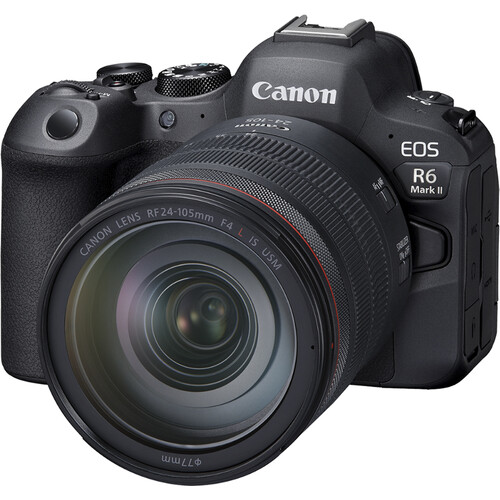
Whether you’re a seasoned lensman or just start out, the right camera accessories can get up your picture taking Video equipment Kenya undergo and help you accomplish stunning shots. While a good television camera is necessary, accessories such as tripods, lens filters, bags, and more can play a considerable role in purification your imaginative process. In this steer, we’ll walk you through the must-have television camera accessories, including their functions, benefits, and tips on choosing the best ones for your needs.

1. Tripods: Stability and Precision

One of the most necessary television camera accessories for both amateur and professional person photographers is the tripod. A tripod provides stability and ensures sharp, blur-free images, especially in low-light situations or when using slow shutter speeds. Whether you re capturing landscapes, long-exposure shots, or self-portraits, a tripod is obligatory.

Key Considerations:

  • Material: Tripods come in atomic number 13, carbon paper fibre, and plastic. Carbon fiber is whippersnapper and long-wearing, qualification it ideal for exterior shoots, while aluminum is more cheap but somewhat heavier.

  • Weight Capacity: Make sure the tripod can support the angle of your camera and lens.

  • Height: Look for tripods that broaden to your eye raze, so you don t have to bend over perpetually. Also, check how compact it is for portability.

  • Head Type: The two most green types are ball heads and pan-tilt heads. Ball heads are more flexible and easier to correct, while pan-tilt heads allow for more finespun movement.

2. Lens Filters: Enhancing Image Quality

Lens filters are necessary for controlling the light and enhancing the timbre of your photos. They are attached to the front of your television camera lens and can qualify the add up of get off ingress the television camera, tighten glower, or add specialised effects. Here are a few types of lens filters:

Types of Lens Filters:

  • UV Filters: UV filters help to choke up ultraviolet get down, preventing a bluish cast and reducing haze in outdoor photography. While digital sensors are in the main not artificial by UV light, many photographers use UV filters to protect their lenses.

  • Polarizing Filters: A polarizer is great for reducing reflections and glare from irrigate or glass. It also enhances colours, making skies appear bluer and leaf more spirited.

  • ND(Neutral Density) Filters: ND filters reduce the total of light entry the television camera lens, allowing for thirster times in brightly conditions. This is perfect for creating slick-smooth waterfalls or achieving gesture blur effects in .

  • Graduated ND Filters: These filters are darker at the top and step by step get lighter toward the penetrate. They are especially useful for shot landscapes, serving to balance the exposure between a brilliantly sky and a darker spotlight.

Why You Need Them:

Lens filters help you control get down, reduce unwanted reflections, and accomplish more striking personal effects. A quality polarizing or ND dribble can bring up your photography without the need for post-processing.

3. Camera Bags: Protecting Your Gear

A hardline and utility tv camera bag is necessary for any photographer who needs to their safely and expeditiously. Camera bags come in a variety show of styles, from backpacks to catapult bags and courier bags. Each plan has its pros and cons depending on your title of shot.

Types of Camera Bags:

  • Backpacks: These volunteer sizeable space for all your gear, including cameras, lenses, tripods, and other accessories. They are wide for long treks or outside shoots and often include extra compartments for personal items.

  • Messenger Bags: Messenger bags are more bundle off and quaint, offering easy get at to your gear. They are of import for urban photographers who need to move speedily between locations.

  • Sling Bags: Sling bags volunteer the convenience of a quickly-access shoulder joint bag while still providing enough space for staple camera gear. They are perfect for street photography or casual shooting.

Features to Look For:

  • Padded Dividers: Look for bags with customizable cushiony dividers to organize your gear and protect it from scratches and impact.

  • Weather Protection: Many bags come with water-resistant materials or rain covers, which are requirement for exterior photographers.

  • Comfort: Make sure the bag is comfortable, especially if you’re carrying heavily gear for long periods. Padded straps and breathable material can make a big difference.

4. External Flashes: Controlling Light

Natural get down is often paragon for picture taking, but sometimes it isn t enough especially in low-light environments or when shooting portraits. An external ostentate can help light up your submit, keep harsh shadows, and cater more verify over light conditions.

Types of Flashes:

  • Speedlight Flashes: These are pack, portable flashes that attach to to your tv camera s hot shoe. They volunteer a wide straddle of power settings and can be adjusted for different shot situations.

  • Studio Strobes: Larger and more powerful than speedlights, studio strobes are often used for portrait photography. They need great power sources and can ply more finespun verify over lighting.

Why You Need One:

An ostentate can better your photos by gift you more verify over your lighting. It can be bounced off walls or ceilings to yield the get off or used to make spectacular personal effects with shadows.

5. Memory Cards: Storing Your Shots

It s necessity to have high-quality, high-capacity retention cards when shooting, especially for photographers who shoot up in RAW initialize or shoot video recording. A slow or deficient retentivity card can affect your camera s performance and cause interruptions in your work flow.

Types of Memory Cards:

  • SD Cards: These are the most green type of retentivity card for DSLR and mirrorless cameras. They come in various hurry classes(Class 10, UHS-I, UHS-II) that indicate their read write zip.

  • CFast and XQD Cards: These are quicker retentivity card game studied for professional video recording and high-resolution picture taking, offer faster read and spell speeds than SD card game.

  • microSD Cards: While mainly used in smartphones, some cameras can also use microSD cards with an transcriber.

What to Look For:

  • Capacity: Choose a card with enough depot for your needs. High-definition video recording and big pic files(like RAW images) want high depot capacities.

  • Speed: Faster spell speeds are material for shooting bursts of images or 4K video without interruptions.

6. Cleaning Kits: Keeping Your Gear in Top Shape

Your television camera and lenses are investments that need specific care. A cleansing kit is necessary for keeping your equipment free from dust, dirt, and smudges.

Basic Cleaning Kit:

  • Lens Cleaning Solution: Specially formulated for television camera lenses, it helps remove smudges and fingerprints without damaging the lens finish.

  • Microfiber Cloth: Perfect for wiping down lenses and screens without departure scratches.

  • Air Blower: To remove dust from the television camera body, lens, and sensors.

  • Lens Brush: For mildly brush away dirt and detritus from your lens or camera sensing element.

Types of Lens Filters:

0

Regular cleaning ensures your gear girdle in top working , serving to avoid issues like poor fancy timber caused by soil lenses or sensors.

Types of Lens Filters:

1

Camera accessories are not just elective extras they can raise your ingenious potency and help you take your photography to the next rase. From tripods that stabilise your shots to filters that verify get off and make creator effects, each add-on plays a unique role in rising your work. When selecting accessories, consider your shooting style, the type of picture taking you , and the environments in which you work. Whether you’re an outdoor partisan, a portrait photographer, or a videographer, there’s a set of tools that can help you accomplish the best possible results.

Unlocking the Future of Body Art The Ultimate Guide to Tattoo AI

Unlocking the Future of Body Art: The Ultimate Guide to Tattoo AI

In recent years, technological advancements have revolutionized many creative industries, and tattoo art is no exception. tattoo ai Enter Tattoo AI—a groundbreaking technology that empowers users to design, visualize, and refine tattoos with unprecedented precision and personalization. This comprehensive guide explores how Tattoo AI is transforming body art, offering innovative tools for artists, enthusiasts, and anyone considering their first ink.

What is Tattoo AI?

Tattoo AI refers to artificial intelligence-powered platforms that generate, visualize, and refine tattoo designs. Leveraging sophisticated neural networks and vast databases of tattoo artwork, these tools can interpret your ideas—whether textual descriptions or reference images—and produce unique, high-quality visual concepts. The ultimate goal? Allow users to preview their potential tattoos on their bodies before committing to permanent ink, minimizing regrets and enhancing satisfaction.

How Does the Tattoo AI Generator Work?

The process is designed to be intuitive yet powerful:

Input Your Ideas or Upload Reference Images: Share your themes, inspirations, or photos to guide the AI.

AI Generation: The neural networks analyze your input, drawing from extensive tattoo datasets to create custom designs tailored to your specifications.

Visualization & Placement: See your design on different body parts—arms, shoulders, back, legs—and choose the most appealing placement.

Refinement & Adjustments: Fine-tune size, style, or orientation to perfect your design.

Download or Share: Save your finalized design or collaborate with your tattoo artist for the final inking.

This seamless workflow combines human creativity with machine intelligence, making tattoo planning more accessible, personalized, and less stressful.

Key Features of Tattoo AI Platforms

1. Describe Your Vision or Upload Reference Images

Share ideas in words or images to guide the AI. Whether you want a traditional tribal pattern or a watercolor abstract, your input shapes the output.

2. Pre-Created Samples for Inspiration

Browse a library of curated designs spanning styles like geometric, realistic, minimalist, or avant-garde. These serve as starting points or inspiration for your unique tattoo.

3. Text-to-Image Conversion

Transform detailed descriptions (“A vibrant watercolor phoenix with gold accents”) into visual concepts, enabling precise customization.

4. Multiple Visualization Options

Preview your design on various body parts, ensuring the size and placement align with your vision.

5. Refinement Tools

Adjust aspects such as size, placement, style, or theme. This iterative process guarantees a design that truly reflects your personal taste.

6. Collaborative Workflow

Share your designs with friends or tattoo artists for feedback, fostering collaboration and ensuring everyone is on the same page.

7. Diverse Style Support

From traditional and tribal to realistic portraits, watercolor, abstract, geometric, minimalist, and avant-garde—there’s a style for everyone.

8. Educational Resources

Learn about different tattoo styles, best practices, skin care, and emerging trends to make informed decisions.

The Benefits of Using a Tattoo AI Generator

1. Unique and Personalized Designs

AI tools craft one-of-a-kind tattoos tailored to your ideas, ensuring your ink is as unique as you are.

2. Visual Representation Before Inking

Pre-visualize how your tattoo will look on your skin across various locations, reducing the risk of dissatisfaction.

3. Time and Cost Savings

Designing and refining digitally is faster and more economical than multiple consultations and revisions with artists.

4. Inspiration and Creativity Boost

Explore new styles and ideas you might not have considered, fostering innovation in your tattoo journey.

5. Confidence & Stress Reduction

Preview your tattoo thoroughly before commitment, alleviating anxiety and preventing regrets.

6. Portfolio Development & Collaboration

Tattoo artists can showcase their adaptability and creativity, using AI to develop diverse portfolios and collaborate seamlessly with clients.

Why Do People Use AI Tattoos?

– To Visualize Their ideas realistically before inking.

– To Explore New styles and concepts.

– To Save Time and Money in the design process.

– To Achieve Personalization that truly reflects their identity.

– To Build Confidence in their final choice and reduce the fear of regret.

– To Inspire tattoo artists with innovative concepts and ideas.

Ready to Create Your Perfect Tattoo?

Embark on your tattoo journey with confidence. Whether you’re a first-timer or a seasoned enthusiast, AI-powered tools make the process accessible, fun, and stress-free. Here’s how to get started:

– Describe your dream tattoo in detail or upload reference images.

– Browse pre-created samples for inspiration.

– Use text-to-image features to generate custom designs.

– Visualize on different body parts to find the perfect fit.

– Refine your design with adjustable inputs until it matches your vision.

– Share your creation with your tattoo artist or friends for feedback.

– Download your final design and prepare for your inking session.

The Future of Body Art

As AI continues to evolve, so will the possibilities for personalized, innovative tattoos. Future advancements may include real-time augmented reality previews, more sophisticated style merging, and even AI-assisted tattooing techniques. These innovations promise to make tattooing more accessible, customizable, and artistically limitless.

Final Thoughts

Tattoo AI is revolutionizing the way we approach body art—making it more personalized, visually guided, and less stressful. By harnessing advanced neural networks and large design databases, users can explore endless creative possibilities, visualize their ideas on their bodies, and collaborate effectively with artists. Whether you’re seeking a traditional tribal design or a vibrant watercolor masterpiece, Tattoo AI empowers you to craft your perfect tattoo with confidence.

Quick Links

– Contact Us: Reach out for support and inquiries.

– Learn More: Educational resources on tattoo styles, care, and trends.

– Portfolio Showcase: Browse inspiring designs created with Tattoo AI.

– Start Your Design: Get started today with our intuitive AI tattoo generator.

Unlock the future of body art with Tattoo AI—your personalized, stress-free pathway to the perfect tattoo.


Free online tools BMI calculator for parents?

I love online tool solutions that make parenting easier and healthier, especially when it comes to tracking children’s growth and wellness. One of the most useful tools for parents today is the free online BMI (Body Mass Index) calculator. With busy schedules, it is hard to visit a doctor frequently just to check whether your child is within a healthy weight range. Free online BMI calculators provide a quick, accurate, and easy way to monitor your child’s growth at home.

Understanding BMI is crucial for parents because it helps identify potential health risks like obesity or malnutrition early on. This guide will explore everything parents need to know about BMI, the benefits of using I love online tool calculators, and how to interpret the results effectively.

What is BMI?

Body Mass Index, commonly called BMI, is a simple measurement that uses a child’s weight and height to determine whether they are underweight, normal weight, overweight, or obese.

BMI is calculated using a simple formula:

BMI = weight (kg) / (height (m) × height (m))

While the calculation may sound complex, free online BMI calculators do it instantly, eliminating any math errors and giving you an accurate result in seconds.

Why BMI is Important for Children

Parents often underestimate the importance of tracking BMI in children. Here’s why it matters:

  1. Early Detection of Health Issues: High or low BMI can indicate potential health problems like diabetes, heart conditions, or nutritional deficiencies.

  2. Monitoring Growth Patterns: BMI can show if your child is growing at a healthy rate compared to standard growth charts.

  3. Encourages Healthy Habits: Tracking BMI regularly helps parents take proactive measures in nutrition, physical activity, and lifestyle choices.

Advantages of Free Online BMI Calculators

Free online BMI calculators are popular among parents for several reasons:

  • Time-Saving: No need for manual calculations or clinic visits.

  • Accurate: These tools follow standardized growth charts and formulas recommended by health authorities.

  • User-Friendly: Even parents with minimal technical knowledge can use them easily.

  • Privacy: You can check your child’s BMI at home without sharing personal data publicly.

  • Multiple Children Tracking: Many tools allow you to save data for more than one child.

How to Use a Free Online BMI Calculator

Using an online BMI calculator is simple and requires just a few steps:

  1. Input the Child’s Age and Gender: BMI interpretation is different for boys and girls, so ensure the correct gender is selected.

  2. Enter Height and Weight: Accurate measurement is important. For height, use meters or centimeters, and for weight, use kilograms or pounds depending on the calculator.

  3. Calculate BMI: Click the calculate button. The tool will instantly provide the BMI value and categorize it (underweight, normal, overweight, obese).

  4. Interpret the Results: Most calculators also show a color-coded chart to help parents understand the result quickly.

Understanding BMI Categories for Children

BMI results for children are not interpreted in the same way as adults. Instead, BMI is compared to percentile charts for children of the same age and gender:

  • Underweight: Below the 5th percentile

  • Healthy weight: 5th percentile to 85th percentile

  • Overweight: 85th percentile to 95th percentile

  • Obese: Above the 95th percentile

These percentiles help parents understand whether their child is growing in a healthy range.

Tips for Accurate BMI Measurement

Accuracy is important to get meaningful results. Here are some tips:

  • Use a Reliable Scale: Make sure your weighing scale is calibrated.

  • Measure Height Correctly: Have your child stand straight against a wall without shoes.

  • Measure at the Same Time: Weight can fluctuate throughout the day, so it’s better to measure in the morning.

  • Track Regularly: Check BMI every few months to monitor growth trends.

Common Myths About BMI

Many parents misunderstand BMI, leading to unnecessary worries or missed health warnings. Here are some myths:

  1. BMI Measures Body Fat Directly: BMI is an estimate, not a direct measurement. Muscle-heavy children may have higher BMI but low body fat.

  2. BMI Alone Determines Health: BMI should be considered alongside other factors like diet, physical activity, and medical history.

  3. High BMI Always Means Unhealthy: Some children may be taller or more muscular, which can result in higher BMI without health risks.

Benefits of Tracking BMI with Free Online Tools

Tracking BMI with online calculators has several advantages for parents:

  • Early Intervention: Identify potential weight problems before they become serious.

  • Promotes Healthy Lifestyle: Encourages better eating habits and regular exercise.

  • Data Storage: Many calculators allow you to store historical data, making it easier to see growth trends over time.

  • Accessibility: Parents can access it anytime, anywhere using a phone or computer.

Choosing the Right Free Online BMI Calculator

Not all BMI calculators are the same. When selecting one, consider:

  • Credibility: Choose calculators linked to reputable health organizations or pediatric resources.

  • Ease of Use: Look for tools that are simple, with clear instructions.

  • Child-Focused Features: Some calculators offer child-specific percentiles and charts.

  • Additional Advice: Some tools provide tips based on your child’s BMI category.

Incorporating BMI Tracking Into Daily Life

Tracking BMI doesn’t have to be complicated. Here’s how parents can make it part of daily life:

  • Routine Check-ins: Pick one day per month to check your child’s BMI.

  • Combine with Nutrition: Use BMI results to adjust diet and portion sizes appropriately.

  • Encourage Physical Activity: Use results to motivate more outdoor play or sports participation.

  • Educational Opportunity: Teach children about healthy habits and why BMI matters.

When to Consult a Doctor

While free online BMI calculators are useful, they do not replace professional medical advice. Parents should consult a pediatrician if:

  • The child’s BMI is consistently in the underweight or obese range.

  • There are sudden changes in BMI without lifestyle changes.

  • Other health issues are observed, like fatigue, poor growth, or eating problems.

Other Tools Complementing BMI Calculators

Parents can combine BMI tracking with other online tools for a more comprehensive approach:

  • Calorie Trackers: Monitor your child’s daily nutrition intake.

  • Activity Monitors: Track physical activity to ensure enough exercise.

  • Growth Charts: Compare height and weight percentiles over time.

  • Health Apps: Provide reminders for check-ups and vaccinations.

Practical Example: Using a Free Online BMI Calculator

Let’s take an example:

  • A 10-year-old girl weighs 35 kg and is 1.4 meters tall.

  • Input her weight and height into a child-specific online BMI calculator.

  • The calculator shows a BMI of 17.9, which is in the healthy range according to percentile charts.

  • Based on the result, parents can ensure her diet and activity levels remain balanced.

Advantages of Regular Monitoring

Regular monitoring of BMI helps in:

  • Early detection of unhealthy trends.

  • Preventing obesity or underweight conditions.

  • Motivating children to develop lifelong healthy habits.

  • Reducing the risk of lifestyle diseases later in life.

Challenges Parents Might Face

Despite the benefits, parents may face challenges such as:

  • Anxiety Over Results: Obsessing over BMI numbers rather than overall health.

  • Children’s Resistance: Some children may resist being measured.

  • Misinterpretation: Confusing BMI with exact body fat percentage.

Tips for Overcoming Challenges

  • Emphasize overall health, not just numbers.

  • Make measurements fun, perhaps as part of a family health challenge.

  • Use multiple indicators of health, such as energy levels, strength, and mood.

Conclusion

Free online BMI calculators are a practical, accurate, and easy-to-use tool for parents who want to monitor their child’s growth and health. I love online tool solutions like these because they save time, provide reliable results, and help parents make informed decisions about nutrition and lifestyle.

By regularly tracking BMI, parents can ensure their children grow within healthy ranges, identify potential health risks early, and promote lifelong wellness habits. While BMI calculators are not a substitute for professional medical advice, they serve as an excellent starting point for understanding children’s health trends.

Using a combination of BMI monitoring, nutrition planning, and physical activity tracking, parents can take a proactive approach to their children’s health. In today’s digital age, these free online tools empower parents to stay informed and supportive without adding stress or complexity to their busy lives.

Overall, integrating BMI tracking into daily routines fosters a culture of health consciousness, benefits the child’s development, and builds awareness that can last a lifetime.

Illustrator export: crisp svg to png workflow

The process of turning a sharp vector graphic into a clean bitmap can be surprisingly frustrating. Many designers begin with a perfect illustration in Adobe Illustrator, yet the final PNG ends up blurry, fuzzy, or slightly distorted. In this guide, we’ll focus on achieving crisp results every time by understanding how Illustrator handles vector shapes, pixel alignment, resolution settings, and export techniques. Because many designers also use external tools to refine their output, this workflow will reference the svg to png converter approach regularly. You’ll learn how to use a svg to png converter effectively, when to rely on Illustrator alone, and how to avoid common mistakes. Whether you’re exporting icons, UI elements, or web graphics, understanding how to use a svg to png converter within your workflow is essential. By the end of this guide, you’ll feel confident with Illustrator exports and selecting the correct svg to png converter strategy.


Understanding the Difference Between SVG and PNG

SVG is a vector format. It stores paths, shapes, and mathematical data so it can scale infinitely without losing quality. PNG is a raster format. It stores pixels. When converting, every curved line and shape must be translated into a grid of pixels. This is why the process requires careful handling.

This is where the svg to png converter becomes significant. While Illustrator can export directly, sometimes the svg to png converter ensures better control over resolution output. Designers often compare Illustrator’s native export to an external svg to png converter to decide which gives sharper results.

If your artwork is designed for screens, pixel precision matters. A svg to png converter helps confirm your export size matches your intended display environment—especially when working with icons or UI elements.


Why Crispness Is Lost During Export

When Illustrator converts a vector shape into pixels, slight shifts can occur if shapes are not aligned to whole pixel values. Anti-aliasing is applied to avoid jagged edges, but sometimes it creates the soft, blurry look designers hate.

Icon designers frequently use a svg to png converter to preview results at multiple resolutions. This allows the svg to png converter to compare how the artwork behaves at 1x, 2x, and 3x sizes.

Blur can also come from scaling up or down during export. A svg to png converter ensures output is generated at the exact target dimensions without unintended scaling.


Setting Up Illustrator for Crisp Exports

Before exporting, make sure your artboard matches the exact final pixel dimensions. If you want a 64×64 icon, your artboard should be 64×64 pixels. A svg to png converter behaves best when starting with precise dimensions.

Check the following:

  • Artboard size exactly matches final output size

  • No extra empty space

  • Whole pixel alignment turned on

When needed, you can export as SVG first and use a svg to png converter to check clarity.


Aligning Shapes to the Pixel Grid

Illustrator includes options that snap shapes to the pixel grid. This ensures edges fall exactly between whole pixels instead of fractional coordinates. Fractional coordinates cause blur during rasterization.

Many designers preview results through a svg to png converter to confirm pixel sharpness. If the results look blurry in the svg to png converter, the shapes likely are not perfectly aligned.

Pixel alignment is especially critical for:

  • Icons

  • UI controls

  • Logos designed for screen use

  • Small illustrations

Even after alignment, testing your design using a svg to png converter ensures the crisp look you expect.


Adjusting Strokes and Effects Before Export

Strokes that sit on half-pixels can lead to anti-aliasing softness. Always ensure strokes are aligned to inside, outside, or centered in ways that maintain whole pixel alignment. You may need to expand strokes to paths before converting.

A svg to png converter is helpful here because it makes problems visible immediately. If a stroke looks soft in the svg to png converter, you likely need to refine it in Illustrator first.

Effects like shadows and blurs also get rasterized. Testing using a svg to png converter will tell you if the softness is acceptable or needs adjustment.


Exporting from Illustrator: The Best Method

Illustrator offers several export methods:

  • Export for Screens

  • Save for Web (Legacy)

  • Export As…

For crisp PNG output, “Export for Screens” is typically recommended. However, some designers still export as SVG and use a svg to png converter afterward because it allows for batch conversion and resolution control.

If exporting directly:

  • Choose PNG

  • Set resolution to 72 ppi for web, higher for print-like display needs

  • Make sure anti-aliasing is set to Art Optimized

Comparing Illustrator output with a svg to png converter lets you choose which quality looks better.


Rasterizing Manually Inside Illustrator

Some designers intentionally rasterize elements before export to control the final look. This technique lets you preview exactly what the PNG will look like. After rasterizing, export normally.

Still, even after rasterizing, designers often check clarity using a svg to png converter to ensure consistency across multiple sizes.

Manual rasterizing offers control, but validation using a svg to png converter guarantees predictable results.


Batch Exporting Icons and UI Elements

When exporting multiple icons, Illustrator’s asset export panel is helpful. Name each asset, assign sizes, and export in one step.

However, batch refinement may still be necessary. Many teams use a svg to png converter to:

  • Export icons in multiple densities

  • Check consistency

  • Automate production for web or mobile UI kits

This keeps quality consistent across entire icon sets. Using a svg to png converter in a pipeline ensures predictable output for all sizes.


Best Practices for Web Designers and Developers

UI design demands precision. A svg to png converter allows teams to test how an icon looks in actual interface layouts. Web developers often rely on the svg to png converter to produce standardized icon libraries.

For consistent quality:

  • Start vector shapes aligned to pixels

  • Keep artboard sizes identical to output size

  • Use a svg to png converter to preview small sizes

Web fonts, Figma components, and UI libraries often use assets generated through a svg to png converter.


When to Use an External Converter Instead of Illustrator

Sometimes Illustrator exports look softer than expected, especially with scaled-down icons. In these cases, a svg to png converter may produce sharper results because it renders using a different rasterization method.

A svg to png converter is especially useful when:

  • Exporting multiple resolutions

  • Testing icons at very small sizes

  • Integrating into automated workflows

Different svg to png converter tools offer different rasterization engines, making comparison valuable for choosing the best final look.


Common Mistakes to Avoid

Here are frequent issues that lead to blur:

  • Shapes not aligned to pixels

  • Artboard size not matching output size

  • Scaling during export

  • Forgetting stroke expansion

A svg to png converter helps catch these mistakes quickly. If the PNG looks blurry in your svg to png converter, check these elements first. Using a svg to png converter as part of your normal workflow prevents recurring issues.


Conclusion

Exporting crisp graphics from Illustrator requires understanding vector-to-pixel translation. Precision with alignment, artboard sizing, stroke handling, and export settings all matter. A reliable svg to png converter ties the workflow together by providing a clear final preview at multiple sizes. Whether you are designing app icons, UI graphics, branding elements, or illustrations for screens, leveraging a svg to png converter ensures your final result remains sharp and visually consistent. You can rely on a svg to png converter to validate clarity, batch-export assets, and maintain quality across multiple platforms. Consistency comes from refining technique and checking results regularly with a svg to png converter.

Transpose Vhs To Digital: A Comprehensive Steer To Preserving Your Old Tapes

VHS tapes were once the primary medium for recording family memories, movies, and TV shows, but as technology has advanced, VHS has become a token of the past. VHS tapes devolve over time, and VHS players are more and more harder to find, qualification it essential to transplant your old tapes to a digital format before they become irreparable. Transferring VHS to integer will not only save your preciously memories but also make them easily accessible on Bodoni font devices.

In this steer, we ll research how to transplant your VHS tapes to integer, the tools needful, the best formats for storing the whole number files, and the benefits of converting your tapes for long-term storehouse and playback.

Why Transfer VHS to Digital?

1. Preserve the Quality of Your Videos

VHS tapes disgrace over time. They re vulnerable to damage from state of affairs factors like heat, humidity, and magnetized interference, which can result in poor video recording and sound timbre. Once transferred to a digital initialize, your videos are protected from further deterioration. Digital files do not degrade over time, and with proper backups, they can last for decades.

2. Improve Video Accessibility

VHS players are becoming hardly, and many modern font devices no thirster let in VHS drives. By transferring your tapes to integer formats(such as MP4 or AVI), you check that your home videos are available on a wide straddle of Bodoni font devices smartphones, tablets, laptops, streaming services, and more. No need for a big VHS participant; just get at the files with a click.

3. Easier Sharing and Organization

Digital files are easy to share via email, mixer media, overcast depot, or USB drives. Once your videos are transferred to whole number initialise, you can organize them with custom labels and folders. You can also make digital backups to control your videos are procure and available in case of hardware failure.

4. Edit and Enhance Your Footage

After transferring your VHS tapes to integer, you can enhance the video recording tone by removing make noise, improving colors, stabilizing shivering footage, or even thinning out undesirable parts. Video redaction computer software like iMovie, Adobe Premiere, and Final Cut Pro allow you to shine your old footage to make it look better than ever.

How to Transfer VHS to Digital: Step-by-Step Guide

1. Prepare Your VHS Tapes

Before commencement the transpose process, see to it that your VHS tapes are in good . Here are some things to check:

Physical Condition: Inspect the tape for mold, damage, or warping. If a tape is severely disreputable, it may want professional Restoration.

Clean the Tapes: Dust and dirt can intervene with the timber of the transplant. You can strip the tape mildly with a soft textile.

Rewind the Tape: Ensure that the tape is full rewound before start the transpose process.

2. Choose Your Transfer Method

There are two main ways to transpose VHS tapes to integer: DIY(Do It Yourself) or Professional Services. Here s an overview of both:

DIY Method: Using VHS-to-Digital Converters

If you prefer to do the work yourself, you can buy up a VHS-to-digital convertor. This selection is cost-effective and gives you full control over the work.

What You Need:

VHS Player: You ll need a working VHS player. If you don t have one, you may be able to find a second-hand simulate online.

VHS-to-Digital Converter: This device converts the parallel video recording and sound from your VHS participant into a digital initialize. Many converters connect to your computing device via USB and come with software program for capturing the video recording. Popular options let in:

Elgato Video Capture(USB converter)

ClearClick Video to Digital Converter

Vidbox Video Conversion Kit

Software: Some converters come with bundled software program, such as Elgato Video Capture Software or Roxio Easy CD DVD Burning, for capturing and rescue your videos in integer formats like MP4, AVI, or MOV.

Steps to Transfer VHS to Digital(DIY Method):

Connect Your VHS Player to the Converter:

Plug the RCA cables(red, whiten, yellow) from the VHS player into the VHS-to-digital converter. The convertor will then be connected to your electronic computer via USB.

Install the Software:

Install any software that comes with the convertor on your data processor. This software system will allow you to capture the video feed from the VHS tape.

Start the Transfer Process:

Play the VHS tape in the VHS player and begin the capture process in the package. The video recording will be digitized and preserved to your computing device as a integer file.

You will need to supervise the transplant work on as it happens in real time. The length of time it takes to transpose will be eq to the length of the VHS tape(e.g., a 2-hour tape will take 2 hours to transfer).

Edit and Save the Video(Optional):

After the transfer is complete, you can edit the video recording using package like iMovie, Adobe Premiere Pro, or DaVinci Resolve to trim unwanted sections, enhance the timbre, or add subtitles and effects.

Once the redaction is destroyed, save the video in your preferred initialize(MP4 is suggested for easy share-out and playback).

Backup and Store:

Save your digital files to your computing machine, external hard drive, or cloud over depot. Make sure to create backups to ensure your videos are safe.

Professional Conversion Services

If you have a big total of VHS tapes or favor not to do the work yourself, there are many professional person services that will handle the transplant for you. These services typically offer enhanced quality and can handle issues like tape debasement.

How It Works:

Select a Service: Choose a serve that fits your needs. Some of the most pop services let in Legacybox, YesVideo, and Walmart Photo Center.

Send Your Tapes: Package your VHS tapes securely and mail them to the serve provider. Many services allow you to upload your tapes online, though this may be less green for VHS formats.

Conversion and Enhancement:

The serve will convince your tapes to whole number files, usually in MP4 or AVI initialise, and volunteer additional enhancements like noise reduction, color , or fixing tracking issues.

Receive Your Digital Files:

After the transpose is complete, you ll welcome your digital files on a USB , hard drive, or via a cloud link. Some services may also offer physical DVDs or Blu-rays in summation to the digital files.

Backup and Sharing:

Once you welcome the whole number files, make sure to back them up in aggregate locations(cloud, drives, etc.) for added surety.

Choosing the Right Digital Format

When transferring VHS to whole number, choosing the right initialize is epochal to see to it compatibility and ease of access. Common formats for digitized videos include:

MP4: This is the most wide gimbaled video initialize, offering a balance between timber and file size. It s matched with nearly every and platform, including phones, computers, and streaming services.

AVI: This initialise offers higher timbre but results in bigger file sizes. It s often used when you need to keep back the master copy timbre of the footage.

MOV: Popular for use on Apple , MOV files are also widely dependent by many media players.

MKV: This is a elastic format that allows for quadruplex audio and subtitle tracks, but it s less compatible with experient devices.

For general use, MP4 is advisable because it s universally matched, compresses well, and maintains a high dismantle of timber.

Benefits of Transferring VHS to Digital

1. Longevity and Durability

Digital files do not degrade over time like VHS tapes. When you transfer your tapes to whole number, your videos are stored in a more durable format that is not constrained by wear, humidness, or attractable disturbance.

2. Improved Viewing Experience

Digital files cater a clearer and more stalls viewing experience than VHS tapes, which are prone to unsteady, trailing issues, and incoherent video quality. You ll also be able to watch your videos on high-definition screens without badgering about the poor resolution of VHS.

3. Easy Access and Sharing

Once your VHS tapes are regenerate, you can get at your videos from a computing device, smartphone, pill, or even a ache TV. You can also well share videos with friends and family through e-mail, cloud depot, or social media platforms.

4. Space Saving

VHS tapes take up a lot of physical space. Transferring your tapes to VHS to DVD initialize allows you to unionise and lay in them digitally, freeing up space in your home. Digital files can be stored on a moderate USB or external hard drive, rescue room for more large things.

Conclusion

Transferring VHS to digital is a outstanding way to preserve your old tapes and control your memories last for years to come. Whether you take to do it yourself with a VHS-to-digital converter or opt for a professional person serve, the process is well worth the sweat. By transferring your VHS tapes, you ll improve video tone, make them more accessible, and insure that hereafter generations can the memories captured on those old tapes.